
Lesson 2.3: Content, Subject and Context
Introduction
In this lesson, we will explore the concepts of content, subject, and context in visual analysis, focusing on how these elements interact to create meaning in an image. By the end of this lesson, you, students, will be able to:
- Distinguish between subject matter, content, and underlying theme.
- Understand the difference between what an image shows and what it communicates.
- Analyze how the context of creation and viewing can affect meaning.
- Research the circumstances surrounding an artwork effectively.
- Differentiate between subject, content, and theme within a visual work.
Exploring Subject Matter, Content, and Theme
To begin our analysis, we need to define key terms: subject matter, content, and theme. These concepts are often used interchangeably, but they have distinct meanings that are crucial for effective visual analysis.
Subject Matter
The subject matter of an image refers to what is explicitly depicted. It includes recognizable elements such as people, objects, landscapes, and actions. For example, in Vincent van Gogh’s painting Starry Night, the subject matter includes swirling stars, a cypress tree, and a quiet village.
Example 1: Analyzing Subject Matter
Consider the following image:
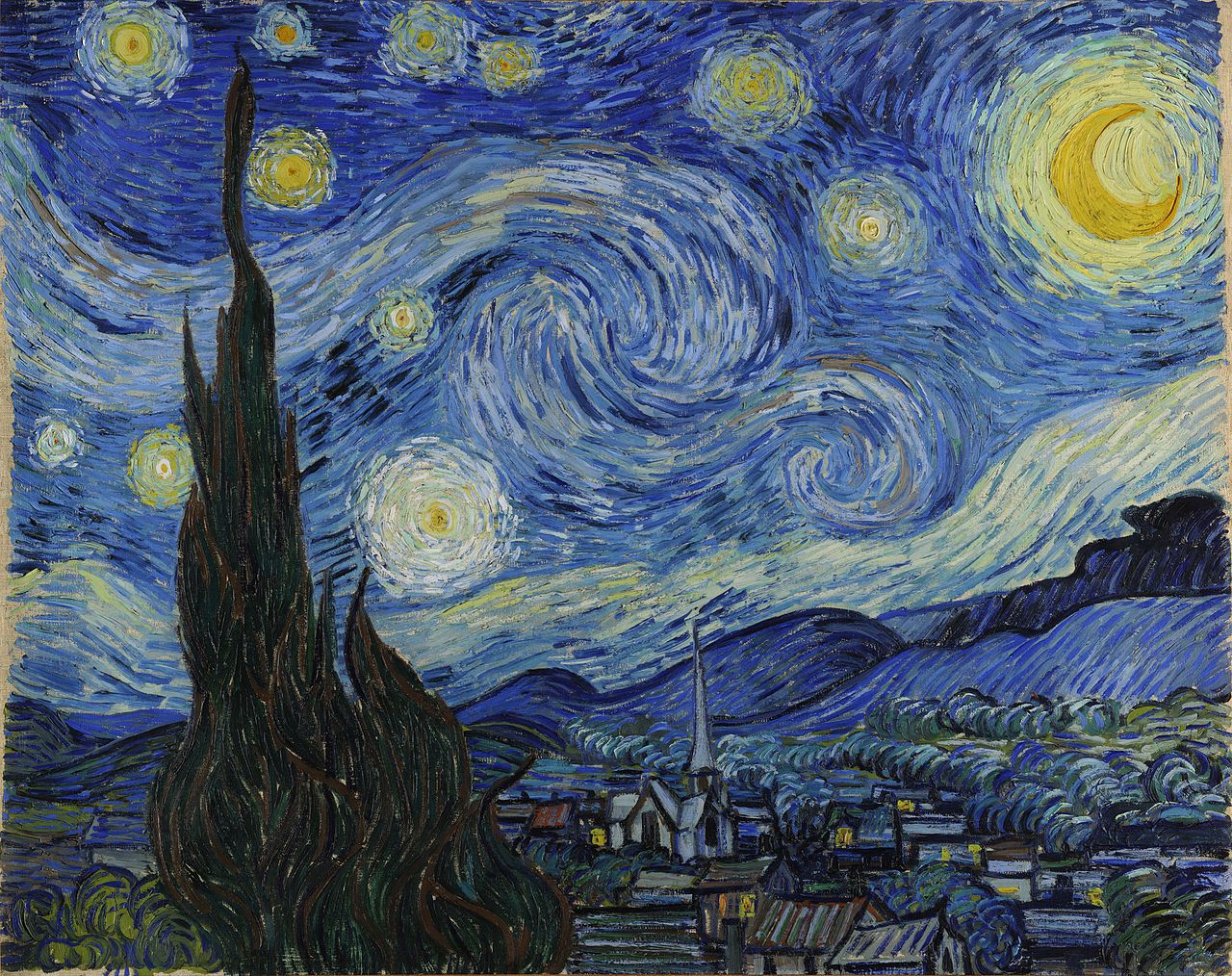
Vincent van Gogh, Starry Night (1889)
- Subject Matter: The visible elements include a night sky filled with swirling stars and a crescent moon, a dark pine tree in the foreground, and a quiet village below.
Content
Content encompasses a deeper understanding of an image, going beyond what is seen to include emotional, psychological, or symbolic meanings. It speaks to the message or commentary the artwork conveys to its audience.
Example 2: Exploring Content
Using Starry Night again:
- Content: The painting conveys feelings of turbulence, longing, and existential reflection. The vibrant stars against the dark night may symbolize hope or isolation. It reflects Van Gogh’s own emotional state during his time in the asylum at Saint-Rémy-de-Provence.
Theme
Theme refers to the underlying ideas or concepts explored within a work of art. It can be a universal human experience or a specific issue relevant to a particular culture or time period.
Example 3: Identifying Theme
In the case of Starry Night:
- Theme: The exploration of nature’s power versus human fragility. The swirling sky contrasts the rigidity of the village, potentially commenting on the chaos of existence in light of a tranquil community.
The Relationship between Subject Matter, Content, and Theme
Understanding the relationship between subject matter, content, and theme can deepen our appreciation for art and aid in producing thoughtful visual analyses. Consider this interaction as layers within an artwork:
- First Layer: Subject matter is what we see.
- Second Layer: Content is the emotion and meaning derived from those visual images.
- Third Layer: Theme is the broader commentary or philosophical perspective conveyed through both subject matter and content.
Example 4: Interrelating Concepts
Let’s analyze another artwork:

Edvard Munch, The Scream (1893)
- Subject Matter: A figure standing on a bridge, screaming against a turbulent sky.
- Content: The image evokes feelings of anxiety and despair, often interpreted as a manifestation of existential angst.
- Theme: The mental strain and isolation of modern life and the emotional turmoil it can bring.
The Impact of Context
As we analyze images, it’s crucial to consider the context of their creation and viewing. Context can significantly affect our interpretation of meaning.
Context of Creation
The context in which an artwork is made includes the artist's personal history, the cultural background, historical events, political climate, and the artistic movements of the time. For example, Picasso's Guernica was created in response to the Spanish Civil War.
Example 5: Contextual Analysis
Guernica depicts the horrors of war, using stylistic choices that highlight chaos and pain. While the subject matter showcases figures in distress, the content reflects Picasso's outrage against the violence inflicted upon innocents, emphasizing the theme of atrocity caused by conflict.
Context of Viewing
Similarly, context impacts how an audience perceives and interprets an artwork. Factors such as the viewer’s background, knowledge, and cultural perspective shape interpretation. An artwork seen in a history museum may provoke different thoughts compared to viewing it in a contemporary gallery.
Example 6: Viewing Context
Consider viewing Starry Night:
- In an art history class, students may engage deeply with its historical context, personal meanings, and techniques.
- In a casual setting, viewers might appreciate its beauty without fully grasping its emotional depth.
Researching Context
To improve your understanding of visual images, learning how to research the context of both creation and viewing is crucial. This involves evaluating sources such as art history books, exhibition catalogs, artist interviews, and academic journals. Additionally, consider the following tips when researching:
- Look for the artist’s biography and artistic influences.
- Explore the historical period during which the work was created.
- Understand the cultural significance of the artwork at its time and today.
Conclusion
In conclusion, the distinction between subject matter, content, and theme is essential for thoughtful visual analysis. By recognizing what an image shows versus what it communicates and understanding the impact of context, you will enhance your analytical skills, students. Each layer of meaning contributes to a more profound engagement with visual culture and allows for better appreciation and critique of art.
Study Notes
- Subject Matter: The explicit elements depicted in an image.
- Content: The deeper meanings and emotional resonances derived from subject matter.
- Theme: The overarching ideas or concepts explored within a piece of art.
- Context of Creation: The historical, political, and personal circumstances surrounding the artwork's creation.
- Context of Viewing: The experiences, backgrounds, and thoughts of viewers that influence their interpretation.
- Research Strategies: Utilize diverse sources to garner a fuller understanding of context surrounding artworks.